
Every day, more than 4.5 billion people download a game on a phone or tablet—a 30 % rise from 2019. Convenience is the main driver: a full‑featured title fits in your palm, letting you tackle a 15‑minute level during a coffee break. The data shows that 78 % of players say they’re more likely to try a game if it’s available on mobile.
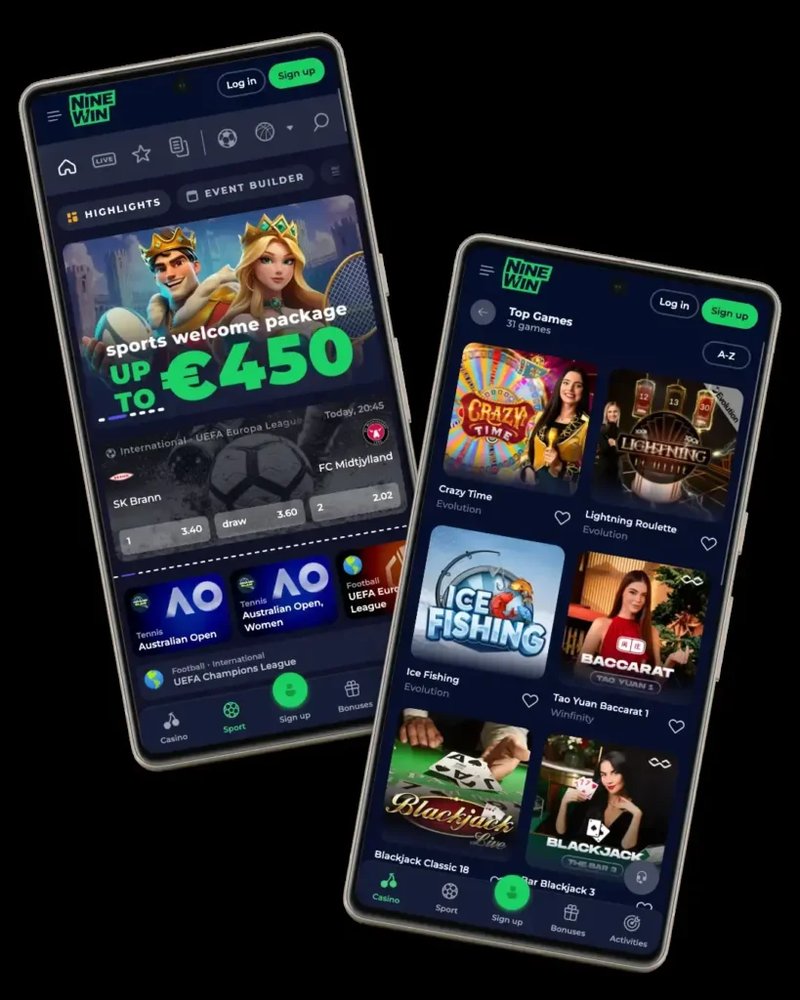
How do developers keep the experience fast and fluid on tiny screens?
Modern engines such as Unity and Unreal employ adaptive rendering. They automatically lower texture resolution when the device’s battery drops below 20 %, keeping frame rates above 30 fps on a mid‑range phone. A high‑end device can push 60 fps without draining the battery in under an hour. Developers also compress audio to 128 kbps, cutting load times from 12 seconds to under 3 seconds.
What kinds of games dominate the app stores today?
Casual puzzle titles still top downloads, with games like “Word Blitz” pulling in 200 million installs in 2024. Yet the growth rate for multiplayer shooters is 45 % higher than any other genre. “Galaxy Clash” hit 10 million concurrent users in its first month. Card games and strategy titles also see steady growth, especially in regions where mobile data is inexpensive.
Why are players willing to spend real money on in‑app purchases?
Three‑quarters of active players have spent at least £10 on a game in the past year. The main reason is “social proof”: 60 % of those spenders say they bought a bundle after seeing a friend’s avatar upgrade. Developers counterbalance this with a 15 % discount on the first purchase, which doubles conversion from 2 % to 4 %. The most effective strategy is offering a free trial that unlocks a limited set of premium items.
Can mobile gaming deliver the same depth as traditional platforms?
Yes, but with a twist. Many mobile titles now support cross‑platform progression. A player can start a quest on a phone and finish it on a PC without losing progress, thanks to cloud saves that sync in under 2 seconds. The biggest limitation is the lack of high‑end peripherals—no mechanical keyboard or dual‑monitor setup—affecting those who crave a full desktop‑style experience.
When the line between casual play and serious entertainment blurs, it’s easy to see how mobile apps are reshaping the industry. For those who want to explore the broader world of digital entertainment, the same convenience that drives mobile gaming extends to online platforms. The next step is to test how well these services integrate with your everyday routine, and many find that visiting ninewinz.co.uk offers a seamless gateway into a new realm of interactive experiences.
What’s the future look like for mobile gaming?
Predictive analytics suggest that by 2028, 70 % of all new game releases will launch simultaneously on mobile and desktop. 5G rollout will cut latency to under 20 ms, making real‑time multiplayer almost indistinguishable from console play. Meanwhile, augmented reality features are expected to hit 40 % adoption among gamers aged 18‑35, turning everyday streets into battlefields.
How should I choose a game that fits my lifestyle?
Start by setting a daily time limit. A 15‑minute slot during lunch and a 30‑minute session in the evening works for most people. Next, pick a genre that matches your mood: puzzle for quick breaks, strategy for longer sessions. Finally, look at the app’s rating and read the privacy policy; a 4.5‑star rating and clear data‑use statement usually mean the game respects your time and privacy.
Frequently Asked Questions
Why is mobile gaming growing so fast?
Convenience and accessibility make mobile games easy to pick up, fitting into daily routines and short breaks.
How do developers maintain performance on small devices?
Modern engines like Unity and Unreal use adaptive rendering, automatically reducing detail to keep framerates high.
What type of games do players prefer on mobile?
Casual, quick‑play titles such as puzzle, strategy, and hyper‑casual games dominate, appealing to a broad audience.
Can mobile gaming replace console and PC for serious titles?
While some high‑end titles port to mobile, most complex games still favor console and PC for richer hardware and control options.
